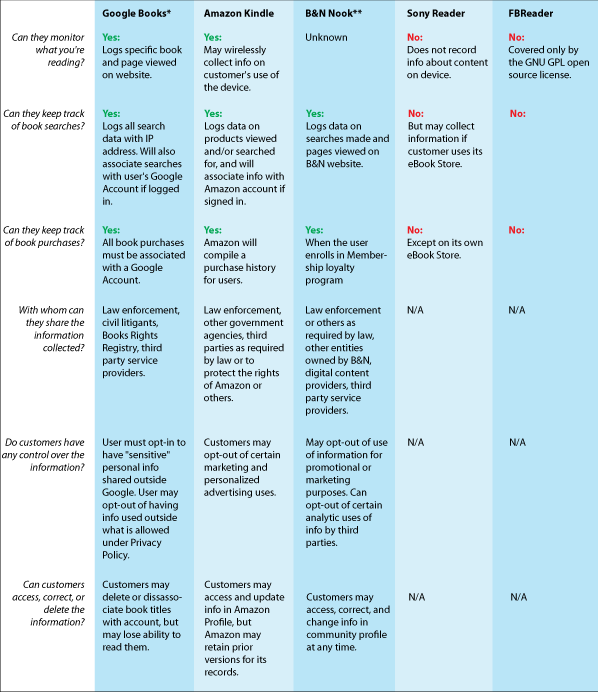
Though it is safe to assume that e-books are the future and that many people go a bit silly when defending the physical book (irrespective of a particular title's actual worth), there is something that print books offer that e-books cannot - ownership. E-book access is really just licensing and such access can always disappear. Aside from flood, fire and other acts of God, the books that you acquire and have on your shelf are yours. Amazon may delete novels off your Kindle but Borders and Dymocks wont be sending a staff member into my house to remove books of my shelf. From an RSS feed update I recently received, "How to Destroy the Book":
...the most important part of the experience of a book is knowing that it can be owned. That it can be inherited by your children, that it can come from your parents. That libraries can archive it, they can lend it, that patrons can borrow it. That the magazines that you subscribe to can remain in a mouldering pile of National Geographics in someone’s attic so you can discover it on a rainy day—and that they don’t disappear the minute you stop subscribing to it. It’s a very odd kind of subscription that takes your magazines away when you’re done [as is the case with most institutional subscriptions with Elsevier, the world’s largest publisher of medical and scientific journals]. http://thevarsity.ca/articles/23855
Realistically though, all this is probably a bit like King Canute attempting to order back the tide.


No comments:
Post a Comment